In high-temperature industries such as steel, cement, glass, and non-ferrous metal smelting, core equipment like industrial furnaces, ladles, and tundishes endure prolonged exposure to extreme heat, corrosion, and abrasion. The stability of their linings directly determines equipment lifespan, production efficiency, and safety margins. Refractory spray repair technology serves as a critical process for ensuring the normal operation of such equipment, with the
refractory gunning machine being the core apparatus for implementing this technology.
I. What is refractory gunning?
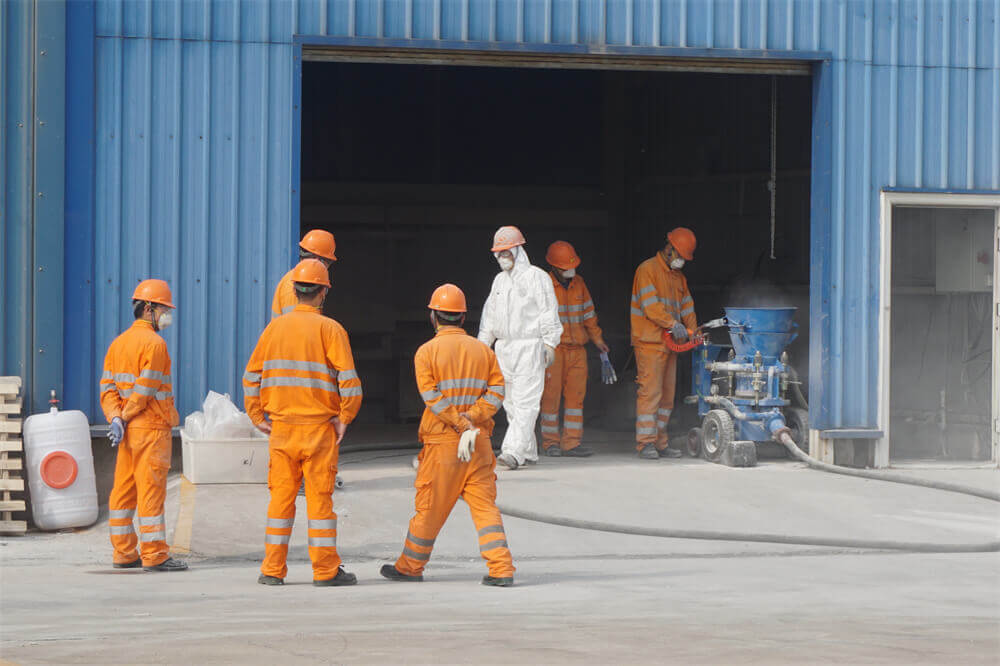
Refractory spray repair is a specialized construction technique for refractory materials. Its core principle involves uniformly applying refractory materials (such as castables or refractory mortars) onto high-temperature contact surfaces of industrial equipment through high-pressure spraying. Unlike traditional manual application methods, this technology utilizes high-pressure power to form a high-velocity jet of refractory material. This enables rapid and tight adhesion to the equipment lining surface, creating a dense protective layer. Its primary purpose is to resist high-temperature erosion, chemical corrosion, and material abrasion, while promptly repairing or reinforcing damaged linings. This extends equipment lifespan and prevents production interruptions caused by lining failure.
II. What is a refractory gunning machine?
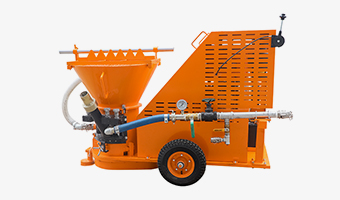
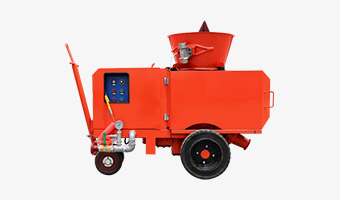
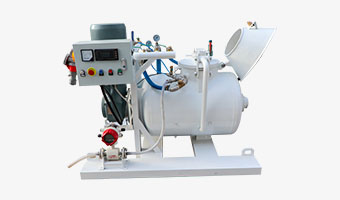
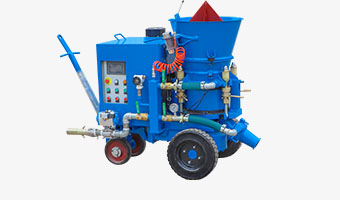
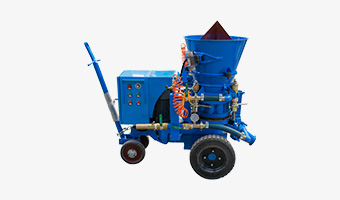
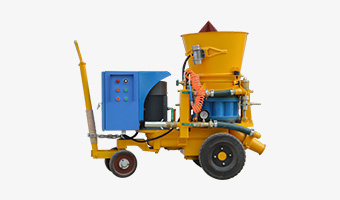
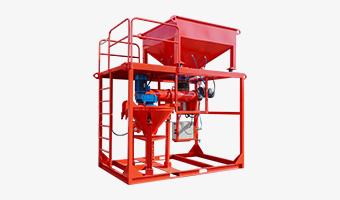
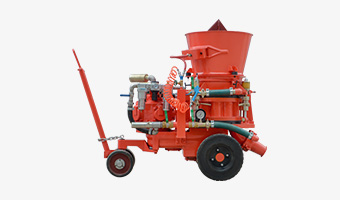
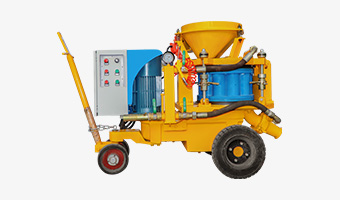
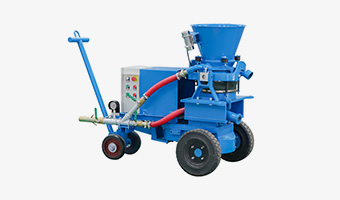
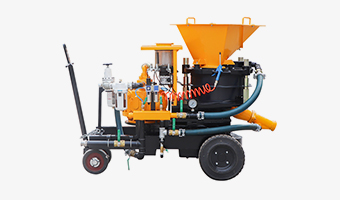
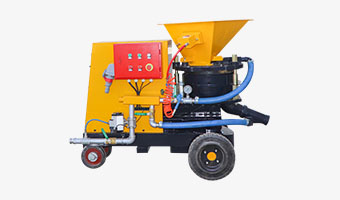
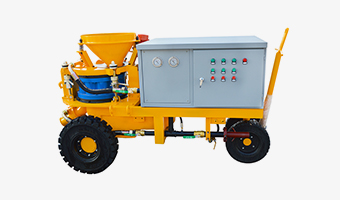
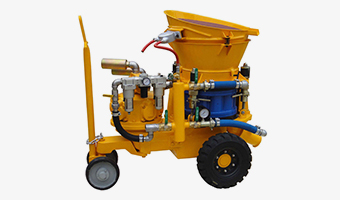
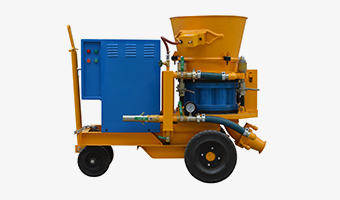
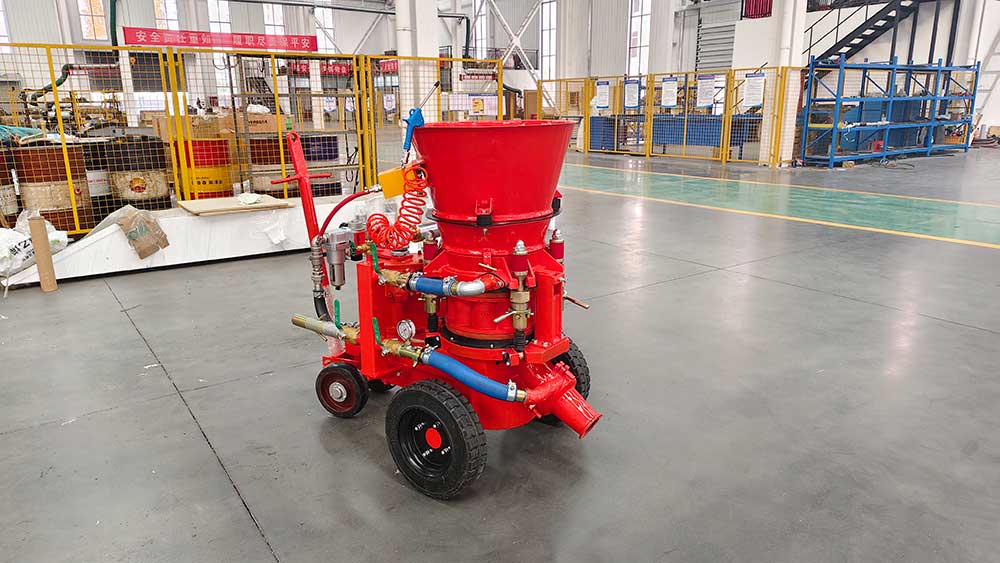
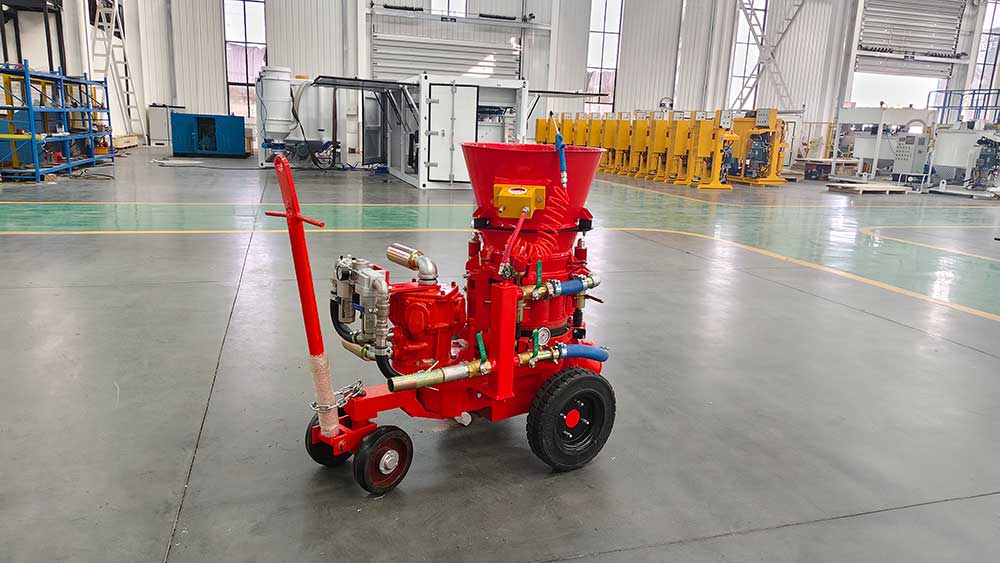
A refractory spray machine is specialized industrial equipment designed for refractory spraying processes, serving as the core interface between refractory materials and construction sites. Structurally, it comprises key components including a feeding system, pressurization system, spray gun, and control system: The feeding system ensures stable delivery of refractory materials (dry powder or wet slurry) to the pressurization stage; The pressurization system generates high-pressure power through pneumatic or hydraulic drive, providing kinetic energy for material spraying; the spray gun controls the direction, flow rate, and dispersion range of the material; the control system enables parameter adjustment and precise control throughout the entire construction process.
Refractory gunning machines offer advantages such as high construction efficiency, broad applicability, and stable construction quality. They are particularly suitable for on-site repairs of large kilns, protective construction on irregular surfaces, and emergency repairs.
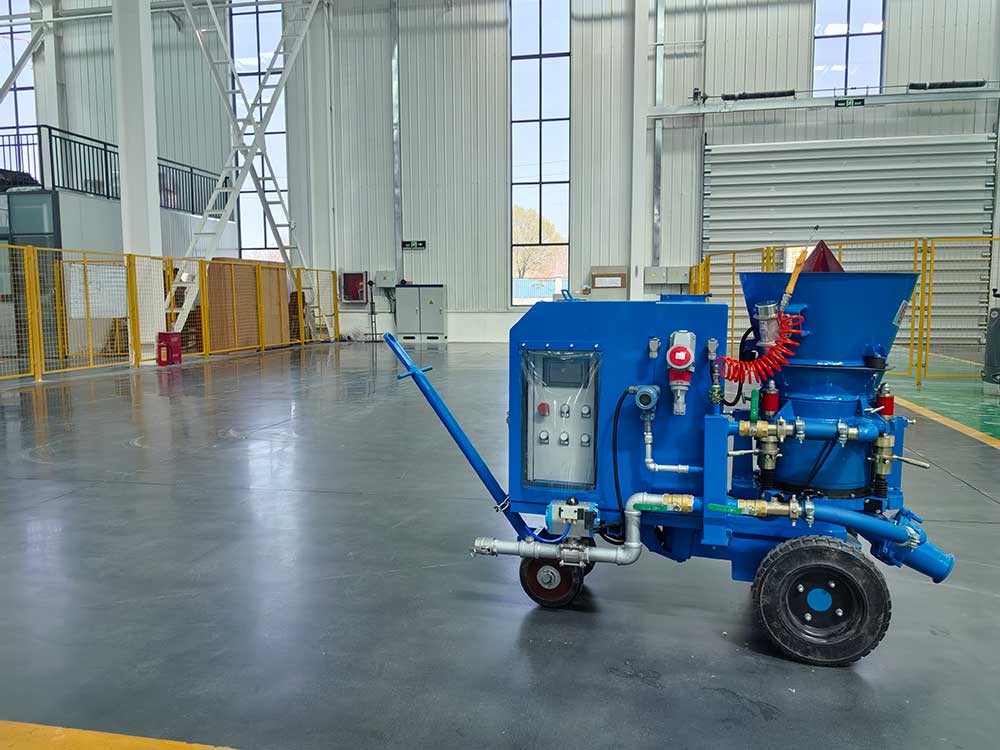
III. What is refractory gunning machine used for?
Refractory gunning machines are highly focused on high-temperature industrial applications, primarily centered on the lining protection and repair of various high-temperature equipment. These applications can be categorized into two main dimensions:
Refractory gunning machines are extensively used in:
The steel industry (converter, electric furnace, ladle, and tundish lining repairs), the cement industry (rotary kiln, preheater, grate cooler lining protection), the glass industry (glass kiln pool wall and regenerator repairs), non-ferrous metal smelting (electrolytic cell and smelting furnace lining reinforcement), and the petrochemical industry (cracking furnace and heating furnace lining maintenance).
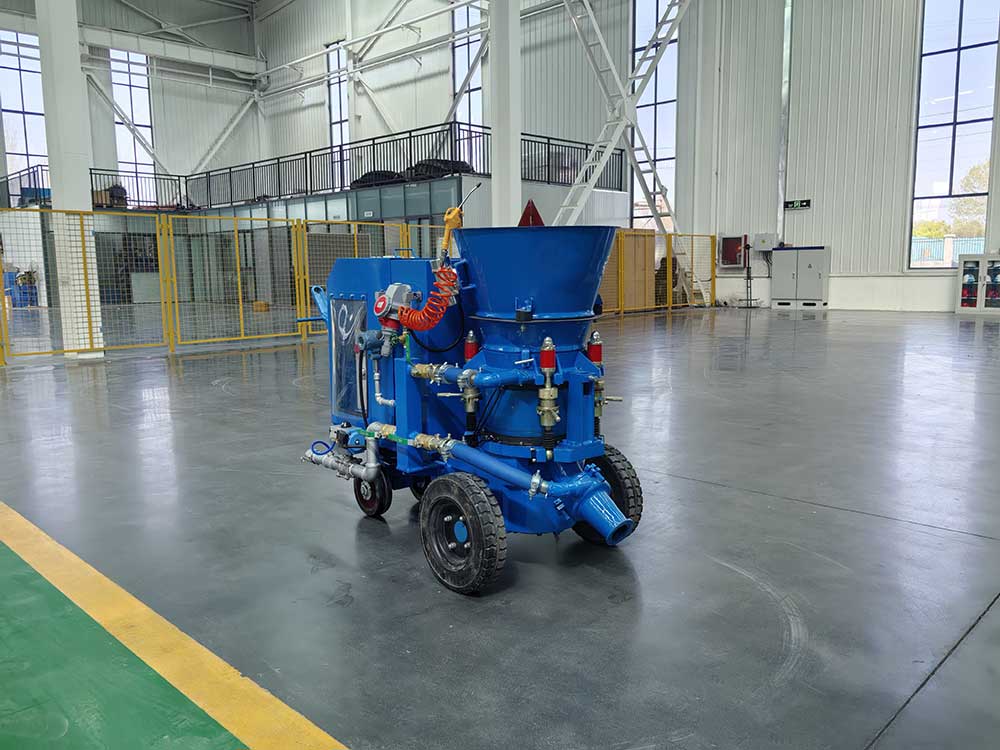
IV. What are the key benefits of using high-quality refractory gunning machine in industrial applications?
In industrial high-temperature operations, selecting premium
refractory spraying machines delivers multifaceted practical value compared to standard equipment or traditional construction methods. Core advantages include:
1. Enhanced construction efficiency and reduced time costs.
2. Optimized lining quality and extended equipment lifespan.
3. Minimized material waste and controlled cost investment.
4. Improved operational safety and reduced reliance on manual labor.
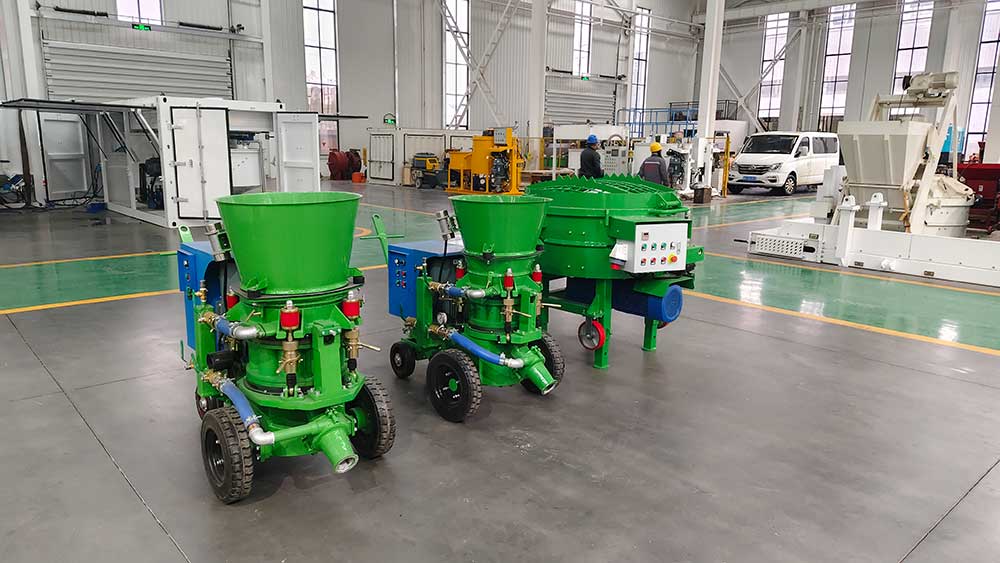
V. How to choose the right refractory gunning machine?
Choosing the appropriate refractory gunning machine is crucial for ensuring construction quality and maximizing operational efficiency. Enterprises should evaluate the following core dimensions based on their specific needs:
1. Define Application Scenarios: Select equipment types according to industry sector, specific construction equipment (e.g., kiln type, ladle specifications), and construction requirements (new construction, routine maintenance, emergency repairs). For instance, emergency repairs on large rotary kilns require highly mobile machines with high spray pressure, while routine maintenance on small electric furnaces suits compact portable models. Additionally, consider environmental factors like temperature and spatial constraints to ensure equipment compatibility.
2. Match Refractory Material Properties: Different refractory material types (dry powder, wet mix, castable, mortar) require distinct sprayer structures and parameters. For instance, dry powder refractories necessitate dry powder sprayers, while wet mixes require wet sprayers. For refractories with larger particles and higher viscosity, select models with larger feed openings and stronger pressurization capabilities.
3. Focus on Core Parameters: Prioritize evaluating key parameters such as spray capacity (material volume per unit time), spray pressure, and delivery distance to ensure they meet construction efficiency and coverage requirements. For instance, large-scale repairs in industrial kilns necessitate refractory gunning machines with ≥5m³/h spray capacity and ≥0.6MPa spray pressure; localized repairs on smaller equipment can utilize models with moderate parameters.
4. Evaluate equipment configuration: Select the drive type (pneumatic or electric) based on production needs. Pneumatic refractory gunning machines are safer for flammable/explosive environments, while electric models offer greater power for high-intensity applications. Also consider mobility options (fixed, tracked, wheeled) to ensure adaptability to various job sites.
5. Evaluate Manufacturer Capabilities and After-Sales Service: Select manufacturers with extensive industry experience and robust R&D capabilities to ensure equipment quality. Additionally, prioritize manufacturers offering comprehensive after-sales support, including installation/commissioning, operator training, wear part supply, and fault repair services to prevent equipment downtime due to inadequate support.
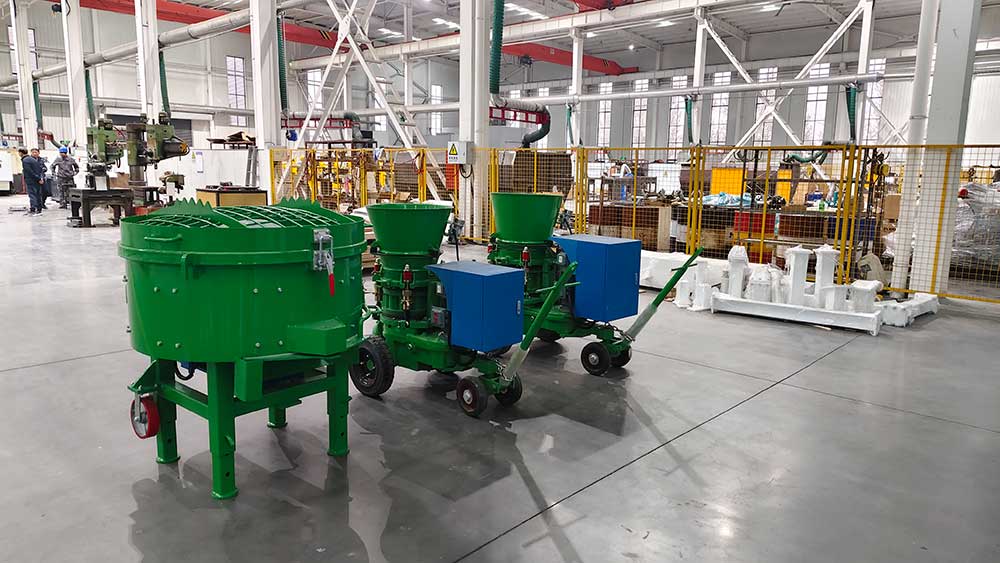
VI. What is the price of a refractory gunning machine?
Refractory gunning machine pricing varies significantly based on configuration and specifications. Henan Wode Heavy Industry Co., Ltd. manufactures and sells models with outputs of 3m³/h, 5m³/h, 7m³/h, 9m³/h, or higher, priced between $8,000 and $26,000 per unit.
It is important to note that enterprises should not solely pursue low prices when selecting equipment. Instead, they should comprehensively evaluate the quality, compatibility, and after-sales service to choose the model offering the best value for money.
VII. What are the common problems & troubleshooting methods for the refractory gunning machine?
During the operation of refractory gunning machines, factors such as material properties, operating procedures, and equipment wear may lead to malfunctions that impact construction progress and quality. Below are common issues, corresponding troubleshooting steps, and daily maintenance recommendations:
1. Feed System Blockage: The most frequent malfunction, primarily caused by:
- Excessively large refractory particles
- Excessive moisture content
- Residual material clumping in the feed inlet or conveying pipes
- Material accumulation due to excessive feed rate
Troubleshooting: First, shut off the equipment power. Inspect the feed inlet and conveying pipes for obstructions. Solution: Clear the blocked material, screen refractories to meet specifications (control particle size and moisture content), and adjust the feed rate to ensure uniform material delivery.
2. Uneven Spraying: Manifested as inconsistent coating thickness and poor adhesion. Primary causes include unstable spraying pressure, improper spray gun angle adjustment, and uneven refractory mixing. Troubleshooting Method: Verify pressure stability in the pressurization system, inspect the spray gun for blockages or wear, and examine material mixing consistency. Solution: Adjust pressurization system parameters to ensure stable pressure, clean or replace worn spray guns, and ensure uniform refractory material mixing before feeding.
3. Insufficient Spray Pressure: Results in slow material spray velocity and poor adhesion. Primary causes include pressure system malfunctions (e.g., insufficient pneumatic pressure in air systems, oil leaks in hydraulic systems), air leaks or blockages in delivery pipelines, and worn seals. Troubleshooting: Check pressure/hydraulic values in the pressurization system; inspect delivery pipes for air leaks or blockages; verify seal integrity. Solution: Repair the pressurization system, replenish air/hydraulic pressure, clean or replace delivery pipes, and replace worn seals.
4. Abnormal Equipment Noise: Primary causes include mechanical component wear (e.g., bearing or gear wear), loose connections, and pressurization system malfunctions. Troubleshooting: After shutdown, inspect mechanical components and connections for abnormalities.
Resolution: Replace worn mechanical parts, tighten loose connections, and repair the pressurization system.
 Daily Maintenance Recommendations:
① After each use, promptly clean residual material from the feed system, delivery pipes, and spray gun to prevent clogging from material buildup.
② Regularly inspect mechanical components, seals, delivery pipes, etc., and replace worn parts on time.
③ Add lubricating oil regularly as specified in the equipment manual to ensure smooth operation of mechanical components;
④ Follow standard operating procedures to prevent equipment failures caused by improper operation;
⑤ Store equipment in a dry, well-ventilated environment to avoid damage from moisture or corrosive conditions.